Roof Cleaning Chemicals: What Is Safe for Water Tanks?
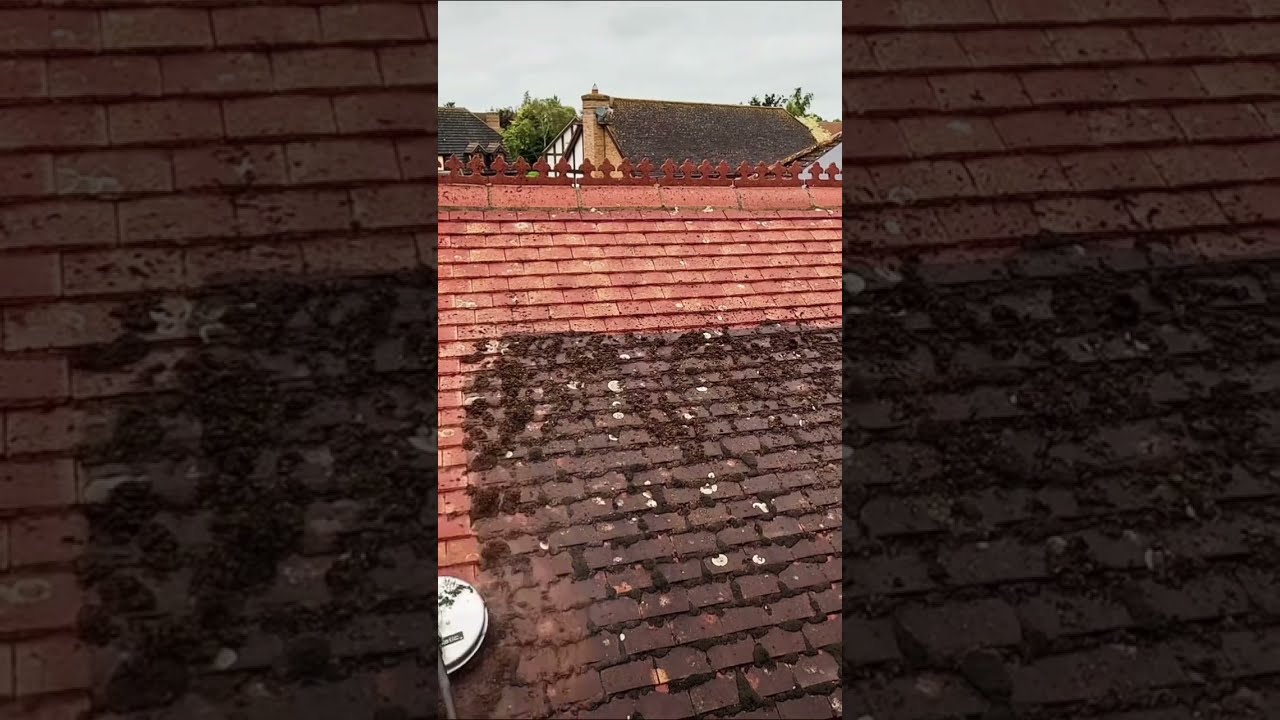
In Logan, rainwater harvesting systems are an essential component of household water conservation and sustainable property management. However, preserving the quality of collected rainwater requires meticulous care whenever your roof undergoes maintenance. When organic matter such as moss, lichen, and algae accumulates on roofing surfaces, homeowners frequently seek out advanced roof cleaning solutions. If your roof directs runoff directly into potable or secondary rainwater tanks, selecting the proper cleaning formulations is vital to prevent harmful chemical contamination.
The Risk of Roof Runoff in Rainwater Harvesting Systems
Rainwater collection surfaces act as catchments for whatever rests upon the roof. Traditional treatments often depend on aggressive compounds, such as high-concentration sodium hypochlorite, acidic formulations, or heavy-metal algicides like copper sulfate. When these compounds wash into downpipes, they degrade the water profile within storage tanks, creating serious hazards for household health, pets, and garden irrigation.
Effective exterior water management and home exterior protection require understanding how chemical residues behave on modern materials. In Logan's subtropical climate, elevated temperatures can accelerate chemical reactions on metal and tile surfaces, potentially causing toxic fumes or accelerating chemical leaching into storage infrastructure. Employing certified roof cleaning methodologies guarantees that surface treatments effectively eradicate biological growth without compromising the integrity of your stored water supply.
Comparing Roof Cleaning Agents: Safe vs. Hazardous for Tanks
When planning an exterior roof washing project, cleaning solutions generally fall into two categories: biodegradable, oxygen-based formulations and harsh persistent biocides. For properties with catchment systems, property owners must understand which agents pose long-term contamination risks.
- Sodium Percarbonate (Oxygen Bleach): Highly recommended for tank-safe cleaning. Upon contact with water, it breaks down into hydrogen peroxide, water, and natural soda ash, leaving zero persistent toxic residues.
- Mild Biodegradable Surfactants: Plant-derived, neutral-pH detergents lift grime and soot during colorbond roof cleaning without depositing long-lasting petroleum chemicals.
- Chlorine Bleach (Sodium Hypochlorite): A common commercial wash agent that forms organochlorines and hazardous chloramines. It should never enter a water tank and requires rigorous downpipe diversion and pre-tank flushing before collection resumes.
- Quaternary Ammonium Compounds: Frequently used in "spray and leave" formulas, these biocides persist on roofing materials for months. While effective against lichen, runoff remains toxic to aquatic organisms and is unsuitable for potable water tanks.
Standard Protocols for Protecting Water Tanks During Roof Cleaning
Even when opting for an eco-friendly roof cleaning product, professional contractors implement preventative diversion techniques. Chemical treatments should never be flushed directly into a functional rainwater collection system, regardless of the product's environmental rating.
- Complete Downpipe Disconnection: Physical elbow pipes or diversion valves must be disconnected, redirecting all wash water away from the inlet filters toward safe stormwater or soakage zones.
- Comprehensive Gutter Preparation: Technicians clear out organic debris through dedicated gutter cleaning to prevent chemical-laden silt from settling in gutter channels.
- Controlled Application: Low-pressure application techniques apply targeted treatments to avoid heavy overspray and prevent excessive runoff into surrounding gardens.
- Surface Rinsing and First Flush Runoff: After completing the wash, the roof surface is thoroughly rinsed. Downpipes remain disconnected until the roof has experienced at least one substantial natural rain cycle to purge trace residues.
Integrating Roof Maintenance with Gutter Protection
Maintaining https://roofcleaninglogan.com.au/services/gutter/ a safe rainwater supply extends beyond chemical safety; it requires an integrated approach to building envelope protection. Silt, decaying leaves, and chemical residues often settle within horizontal drainage channels, complicating the restoration of tank harvesting. Combining seasonal gutter maintenance and reliable gutter protection screens ensures that water flows swiftly over the catchment surface, preventing chemical pooling and reducing organic decay.
Implementing comprehensive drainage solutions alongside routine expert roof cleaning keeps your collection system sanitary, safeguards structural building materials, and ensures that your Logan home maintains pristine water quality throughout the year.
Logan Roof Cleaning Pros
Unit 8 13/15 Ellerslie Rd, Meadowbrook QLD 4131, Australia
(07) 4803 1388